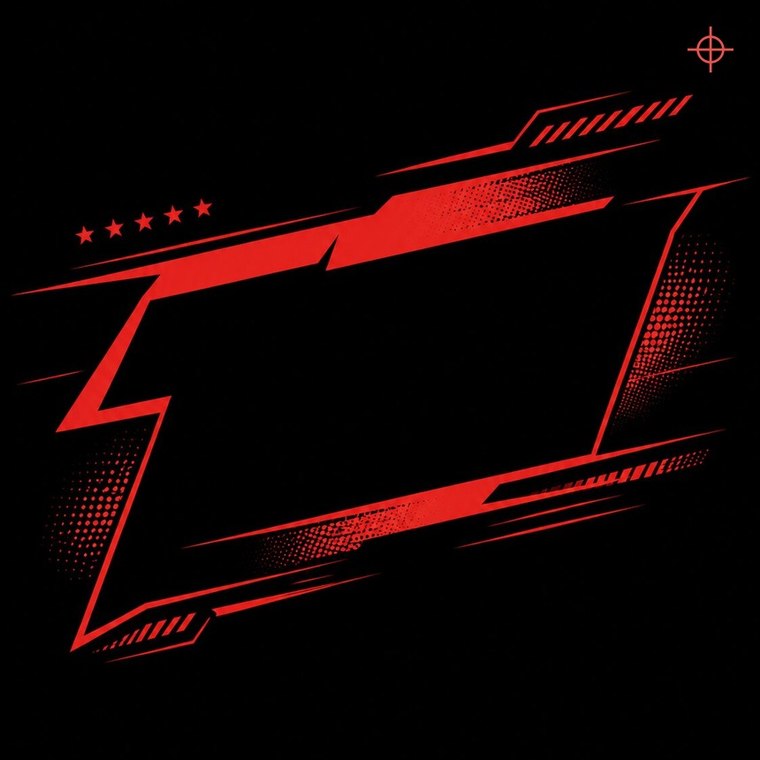
A screen is A physical object
It is a mesh frame with a stencil burned into it, and it carries exactly one color. It gets made once per color per design. That is why a three color print costs more than a one color print.
It is also why a hundred shirts cost far less each than twenty. The screens get made the same number of times either way.
The green screen
On its own it is a halftone burst and a set of chevrons and nothing else. It looks like an unfinished idea, because it is one third of one. Look at the gallery on the homepage and this is the first image in the separation series.
The white screen
The lettering, the globe and the tagline. White does two jobs in most prints. It is a color in its own right.
It is also the underbase: the layer laid down first on a dark garment, so the colors above it read instead of sinking into the fabric. That is why a dark shirt can cost more than a light one with the identical design.
The red screen
The angled frame, the stars, and its own halftone fades. Halftones are how a solid ink makes a gradient: tiny dots, spaced further apart where the color should look lighter. Screen printing has no way to print a faded color directly, so it fakes it with dot spacing, and doing that well is craft rather than software.
All three, in register
Each screen is printed on top of the last, and every one has to land within a fraction of an inch of where the previous one did. That alignment is called registration, and it is the difference between a crisp print and a blurry one. Three screens means three setups, three passes, and three chances to be off.
What this means for your order
When a quote asks how many ink colors, it is asking how many times this whole sequence has to happen. Dropping one color removes an entire screen, an entire setup and an entire pass. On most orders that saves more money than cutting the shirt count, and from ten feet away a two color design usually reads better than a five color one anyway.
- One screen carries exactly one color, and gets made once per design
- White often doubles as the underbase on dark garments, which is why dark costs more
- Halftones fake a gradient with dot spacing, because ink cannot fade
- Registration is the alignment between passes; more colors means more chances to drift
- Dropping one ink color removes a screen, a setup and a pass
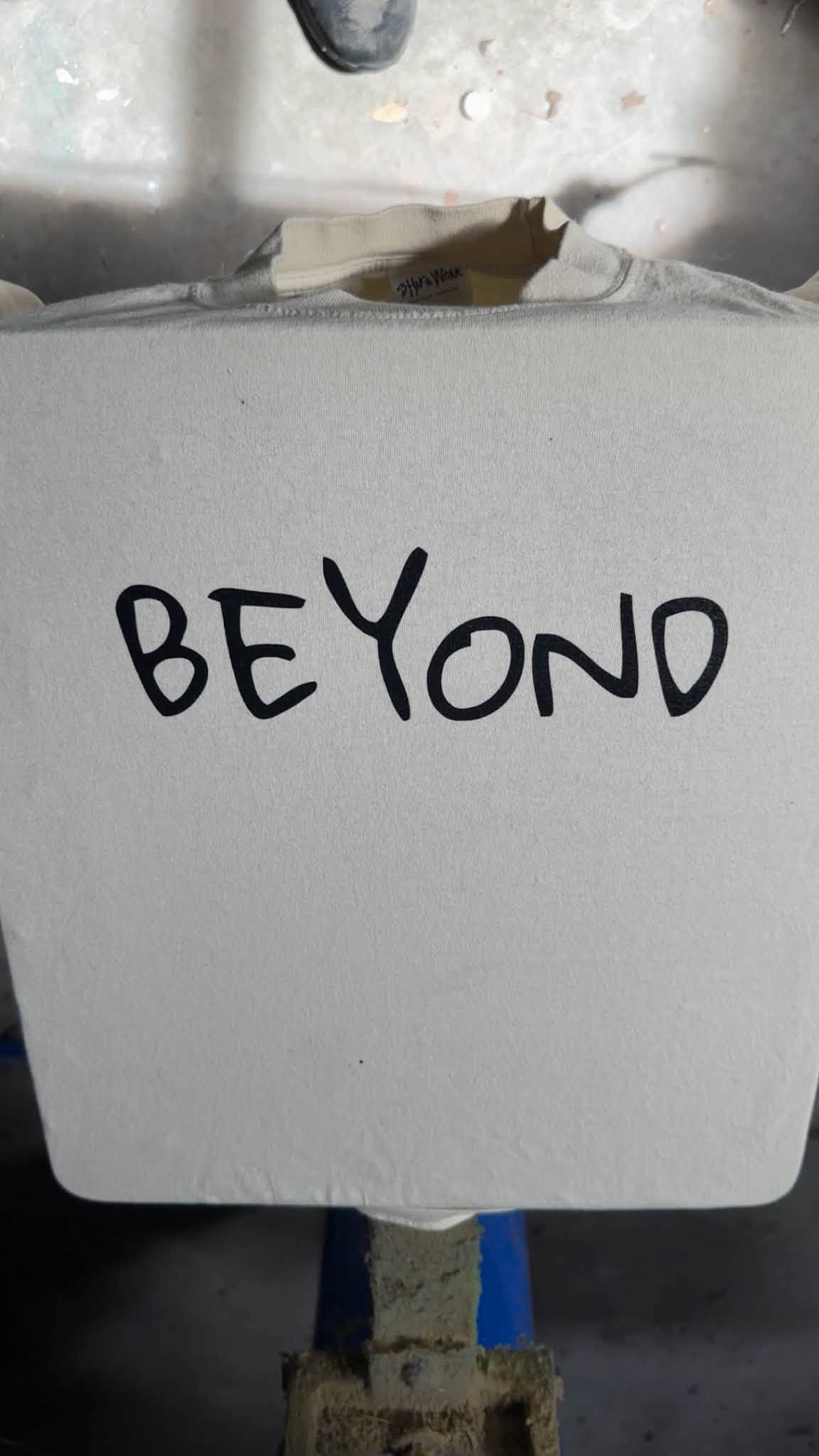
Questions people ask about How a Screen Printed Shirt Is Actually Made
Why does each ink color cost more?
Because each color is a separate physical screen that has to be burned, and a separate pass through the press. It is not a surcharge, it is another whole step of the job.
What is an underbase?
A white layer printed first on a dark garment so the colors above it read instead of soaking into the fabric. It is an extra pass, which is why the same design costs more on a dark shirt than a light one.
How does screen printing make a faded or gradient effect?
With halftones: tiny dots spaced further apart where the color should look lighter. Ink itself cannot fade, so the fade is made out of dot spacing, and doing it well is craft.
What does registration mean?
How closely each pass lands on top of the previous one. Good registration is a crisp print. Poor registration is the blurry, doubled look you see on cheap shirts.
Answer it yourself: custom t-shirts tools, no phone call needed.
New to this? The plain-English guide to ordering walks through what to decide first.
Want numbers before you ask? See the published price chart for custom t-shirts.