Workwear that survives work
Crew shirts live a harder life than fashion tees, so garment choice matters as much as the print. Heavier cotton for the shop floor. Moisture wicking for summer field work.
Hi vis when the job calls for it. A cured plastisol print that outlasts the fabric it is on.
The logo, big and consistent
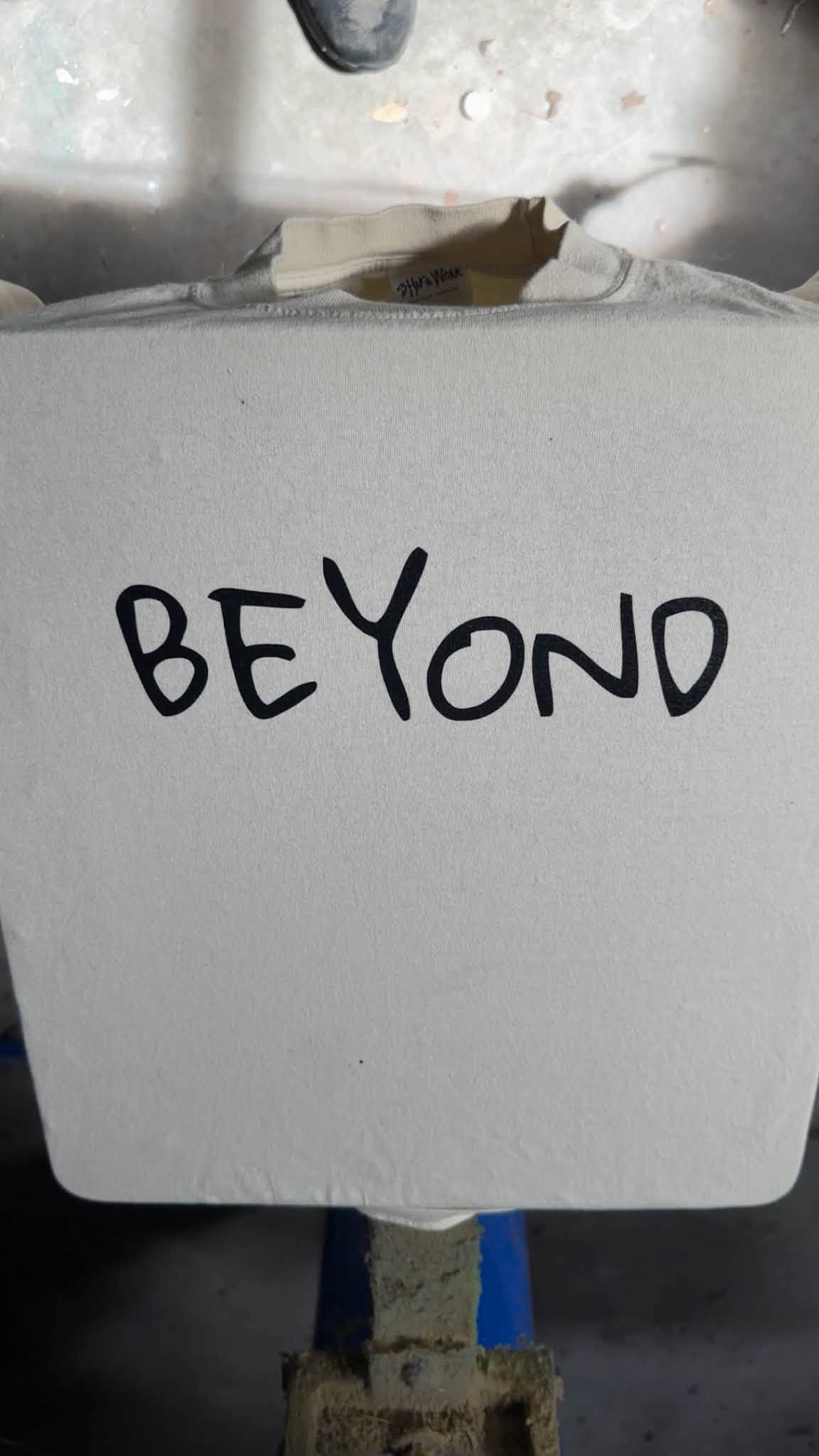
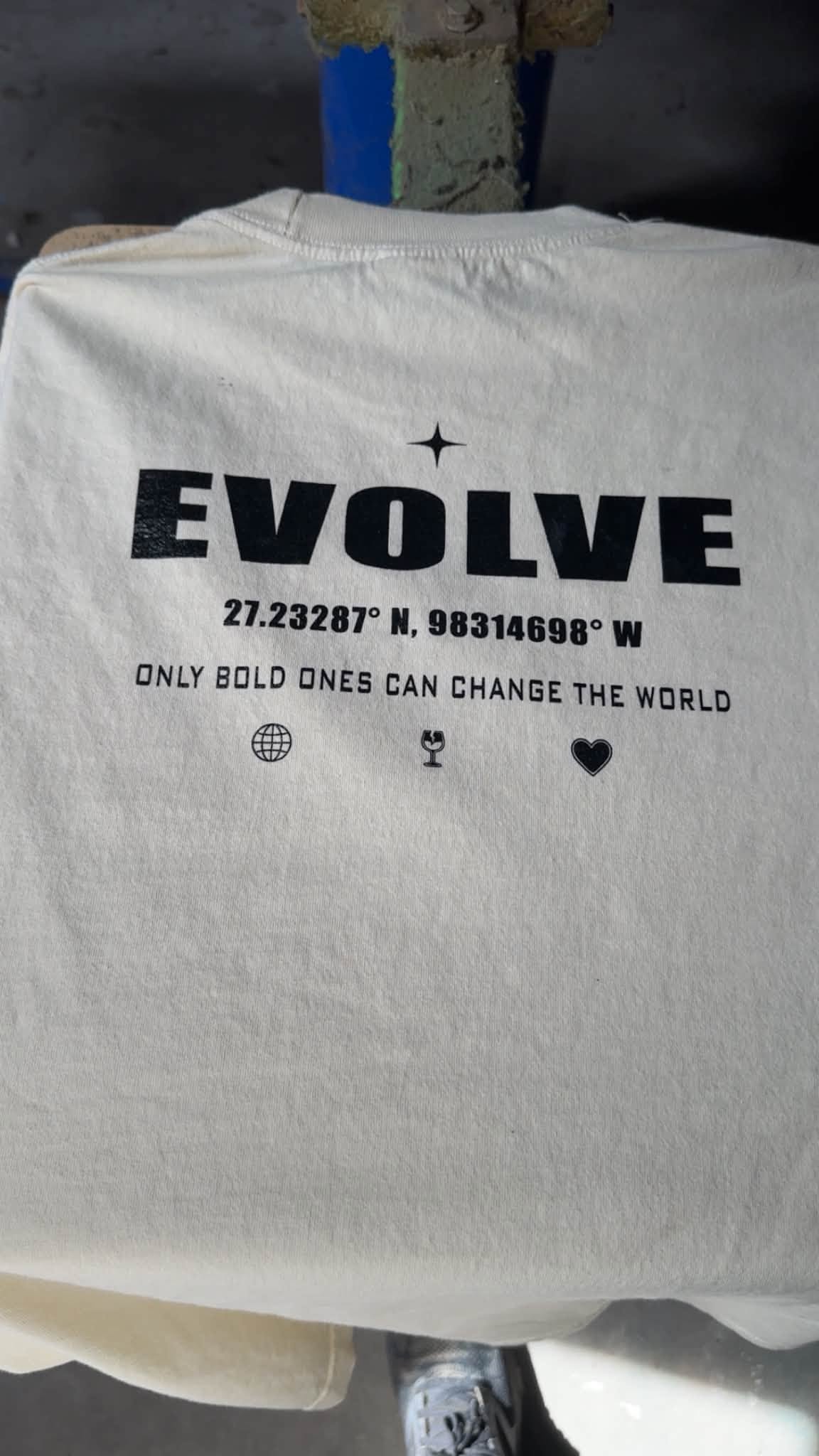
The usual company package is screen printed tees with the logo big on the back and clean on the chest, printed identically across the whole run. When the crew doubles, the reorder prints from the same screens and the twentieth hire matches the first.
Uniforms are a subscription, not a project
Crews grow and shirts wear out. Once your artwork is on file, topping up is a phone call: same design, current head count. Plenty of local businesses reorder on a schedule without ever re opening the design conversation.
A work shirt lives a harder life than a team shirt
A crew shirt gets worn all day, sweated through, washed constantly, and left in a truck in the sun. That is a completely different job from a shirt worn to a game once a week. It changes what fabric makes sense, how heavy the shirt should be, and how the design should be built.
Fine detail and thin lines are the first thing to go on a shirt that gets worn hard. Bolder shapes hold up.
What the sun does out here
In South Texas the sun is often harder on the shirt than the work is. On an old work shirt, the fabric around the print fades while the print stays put. The shirt looks worn out even though the printing is fine.
A heavier fabric holds its color longer. A darker shirt hides stains but shows fade more; a lighter shirt shows dirt but ages more evenly. There is no perfect answer, only the tradeoff worth knowing before you buy sixty of them.
Keeping the shirts consistent across reorders
If your crew shirts are part of how customers recognize you, consistency matters more than saving a dollar. Garment styles get discontinued and colors shift between production lots. Keep the same design files and the same garment style from the start.
Reorder before you run out, not after. Order the next batch while you still have a few left, so you can compare.
Where the logo goes, and what it costs
Left chest, full back, or both is the usual decision. Each print location is its own setup, so a front and back job costs more than a front only job at the same quantity. A small left chest print is the cheapest way to look professional.
A large back print is what makes a crew visible on a job site. Plenty of businesses do a small front and a large back and skip the sleeve entirely.
Restaurants, bars, bands and city crews
A few kinds of buyer order shirts for reasons that are not quite uniforms and not quite merchandise. Restaurant and bar shirts get worn hard and washed constantly. Fabric weight matters far more here than on a shirt worn once a week.
A simple one color print on a dark shirt hides a lot. Bands and clubs are usually selling as much as wearing, which means the shirt is inventory and the design should be one people would buy without being asked. City and county crews need to be identifiable from a distance.
They also need to match between reorders. Keeping the same garment and the same artwork files from the first order matters more than saving a dollar on the blank.
- Company tees with front and back prints
- Crew orders of any size, with real quantity pricing on bigger runs
- Garments picked for the actual work, not just the price
- New hire top ups from artwork on file
- Big and tall sizing without drama
- Local pickup so the crew is dressed this week, not next month
Questions people ask about Business and Crew T-Shirts
Our logo is a blurry image from an old business card. Is that a problem?
It is a Tuesday. The shop redraws logos into clean vector art as part of setting up the job, and you keep the benefit of that cleanup for every order after.
How many shirts does a company order need to make sense?
There is no minimum. A crew of twenty gets printed here the same as a run of three hundred. What changes is the price per shirt: the setup is paid for once, so the more shirts in the run, the less each one carries of it.
How many shirts should I order per employee?
Most crews land on three to five per person, so there is always a clean one while others are in the wash. If the work is dirty, err higher. Ordering for the whole crew at once is what gets you the bulk price.
Can we add new employees to the same design later?
Yes, and it is cheaper than the first run because the artwork and separations already exist. Reorders of an existing design are the easiest job a shop can take.
Should we do pockets or no pockets?
Pocket shirts cost more and limit where a chest design can go. If you want a left chest logo, a pocket usually means moving or shrinking it. Decide that before the artwork is laid out.
Answer it yourself: custom t-shirts tools, no phone call needed.
New to this? The plain-English guide to ordering walks through what to decide first.
Want numbers before you ask? See the published price chart for custom t-shirts.